
Table of contents
- 01Property, maintenance and children in divorce
- 02Quick answer
- 03Start with a complete disclosure map
- 04Partition under Section 99
- 05Lump sum and periodic amounts
- 06Maintenance under Section 101
- 07Written agreements under Section 102
- 08Property valuation and preservation
- 09Child custody
- 10Child maintenance and expenses
- 11Visitation and communication
- 12Relocation and international issues
- 13Settlement checklist
- 14Tax and registration
- 15Review note
Quick answer
Nepal divorce property and maintenance outcomes depend on Sections 99–102, the cause of divorce, family-property history, income and any lawful written agreement. Child custody and support are separately governed by the best interests of the child.
Key facts
- ✓There is no safe universal statement that every asset is always divided equally.
- ✓The divorce ground and family-property history can affect partition and maintenance.
- ✓A written financial agreement must be precise and cannot harm a minor.
- ✓Both parents retain child-care and support responsibilities according to law and capacity.
- ✓Court orders still require land, company, banking, payment and registration implementation.
Property, maintenance and children in divorce
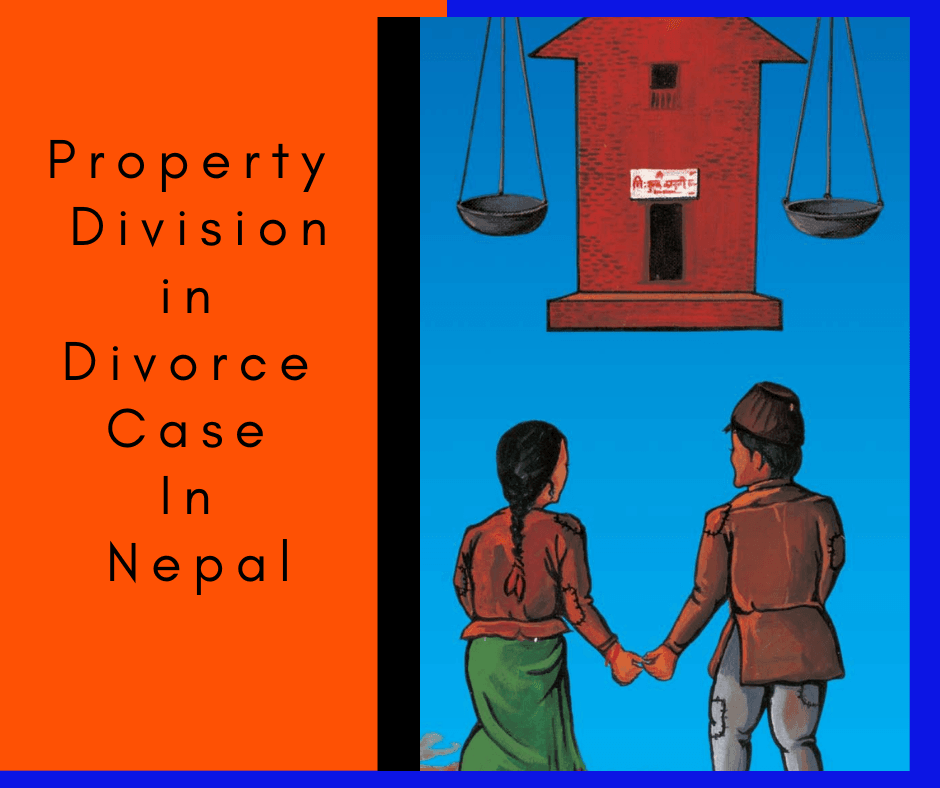
Ending marital status does not by itself resolve property, income or parenting. These issues should be mapped early, supported with reliable records and expressed in orders or settlement terms that can actually be implemented.
Quick answer
Nepal divorce law does not apply one universal rule that every asset is always split equally. Sections 99–102 contain fact-specific provisions on partition before divorce, common property, family coparceners, interim expense, lump-sum or periodic amounts, maintenance and written agreement. Child custody and support must protect the best interests of the child and cannot be traded for property or waived against a minor.
Start with a complete disclosure map
List the legal owner, source, date, value, debt and documents for: - land, house and apartment interests; - common family or coparcenary property; - bank accounts, deposits, loans and receivables; - shares, partnership and business interests; - vehicles, jewellery and valuable movables; - employment income, benefits, pensions and insurance; - foreign assets and liabilities; and - transfers made before or during the dispute.
Do not assume that registration in one name ends the legal analysis. Section 99 addresses common property in either or both names and can require inquiry involving other coparceners.
Partition under Section 99
Where divorce occurs due to the husband under the circumstances specified by law and the wife requests it, the court can require partition before divorce. Section 99 also addresses common property and a situation where the husband has not yet separated his share from a father or other coparceners.
If partition will take a long time, the court may order monthly expense based on property and income until partition, subject to the statutory conditions. Section 99 also contains exceptions linked to particular grounds used by a husband. The exact cause of divorce therefore matters financially.
Lump sum and periodic amounts
Section 100 permits, in the prescribed context, a wife who chooses not to take partition to request a lump sum or annual or monthly amount or expense assessed from the property or income of the husband. The provision includes consequences after remarriage.
Do not label every payment as alimony without specifying legal basis, amount, due date, duration, adjustment, tax or banking treatment, security, default and termination.
Maintenance under Section 101
Where there is no property for partition and the statutory requirements are met, the court may order maintenance based on income. The section contains limits, including remarriage and comparative income. Entitlement is not automatic in every divorce.
Written agreements under Section 102
Spouses may make a written agreement concerning partition share or expense, and the agreement generally governs. But no agreement may be made contrary to the interest of a minor.
A reliable settlement should include schedules of property and debt, disclosure confirmations, transfer documents, payment dates, possession, tax and fees, default remedies, pending cases and full implementation steps. Vague wording such as “all property settled” can create later disputes.
Property valuation and preservation
Collect current Land Revenue Office, company, bank and tax documents. Use an appropriate valuation method where value is disputed. Consider lawful interim protection if there is a real risk of transfer, concealment, withdrawal or damage.
Do not forge a stop notice, access private accounts unlawfully or remove original title documents without authority. Seek a lawful preservation remedy.
Child custody
Parents may address custody at divorce or judicial separation, subject to law and the interests of the child. If no effective agreement exists, the Civil Code custody provisions and case facts apply. The opinion of a child over ten may be considered under the Code, but the child should not be coached or forced to choose sides.
The Children Act requires the best interests of the child to be prioritised and recognises equal parental responsibility for care and development.
Child maintenance and expenses
Both parents remain responsible according to financial capacity. A parenting arrangement should deal with: - ordinary maintenance; - school and educational costs; - healthcare, treatment and insurance; - clothing, activities and special needs; - payment method, date and records; - extraordinary expense approval; and - periodic review when needs or income change.
Child support is distinct from contact. A parent should not withhold visitation solely because payment is disputed, or stop lawful support solely because contact is disputed; seek enforcement or variation through proper channels.
Visitation and communication
Define ordinary weekends or days, holidays, school breaks, calls, travel, handover, notice, transport and emergency contact. Include safety conditions only where justified and child-focused.
Avoid vague “reasonable visitation” wording where conflict is likely. A workable calendar reduces repeated disputes.
Relocation and international issues
Foreign residence, travel or relocation can require passports, consent, custody orders, immigration status, school planning and recognition abroad. Do not remove a child across a border or obtain travel documents through concealment. Obtain urgent advice before international movement.
Settlement checklist
1. Verify all parties, coparceners, assets, debts and valuations. 2. Identify the statutory financial basis and divorce ground. 3. Separate adult property terms from child welfare terms. 4. Specify every transfer, amount, deadline and document. 5. Provide a detailed parenting and expense plan. 6. Address default, variation and dispute resolution lawfully. 7. Complete land, company, bank and personal-event implementation. 8. Preserve certified court and payment records.
Tax and registration
Property transfer, business restructuring, sale, payment or remittance may create registration, capital-gains, income-tax, banking or foreign-exchange questions. Divorce wording alone does not complete the transfer or answer every tax issue.
Review note
This guide was reviewed on 21 July 2026 against Civil Code Sections 99–102 and the Children Act. Property and child outcomes are fact-specific and require review of the full family and ownership history.
Common questions
Frequently asked questions
Official sources
Primary materials used for the legal review of this guide.
- 1.Nepal Law Commission - National Civil Code 2074Accessed July 21, 2026
- 2.Nepal Law Commission - Divorce Chapter, Sections 93-103Accessed July 21, 2026
- 3.Nepal Law Commission - Children Act 2075Accessed July 21, 2026
Professional assistance
Need professional legal assistance?
Get advocate-led guidance tailored to your matter, documents and compliance requirements.
View related legal service →Editorial and legal review
Reviewed by: Wakil Nepal Legal Team
Last reviewed: July 21, 2026
This guide provides general legal information. Procedures and official requirements can change, and case-specific advice may be necessary.